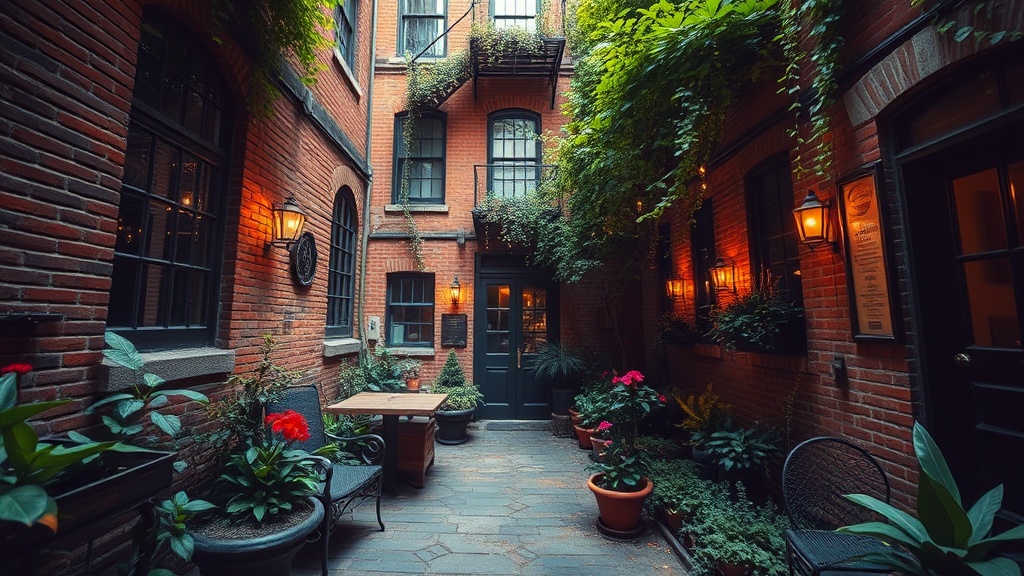
Hidden Courtyards and Secret Gardens of Old Montreal

The Sun-Drenched Terrace at Place d'Armes
The Secret Garden of Saint-Paul
The Quiet Corner of Rue Saint-Antoine
Have you ever walked down a cobblestone street in Old Montreal and wondered what lies behind those heavy, iron-studded wooden doors? Most people stick to the main thoroughfares like Rue Saint-Paul or Rue de la Commune, but the real magic of the district is tucked away in the private courtyards and hidden alleyways. This post explores the most beautiful, secluded green spaces and stone-walled corners that offer a quiet escape from the tourist crowds. You'll find specific locations, tips for access, and the best times to visit for the best light.
Where can I find secret gardens in Old Montreal?
The most beautiful secret gardens in Old Montreal are found within the private residential courtyards and the small, tucked-away alcoves of the historic buildings near the waterfront. While many of these spaces are private property, several are accessible through boutique hotel entrances, public-access passageways, or specific cafe patios.
One of my absolute favorites is the courtyard area near the Hôtel Place d'Arme. It’s a stone-heavy space that feels much older than the surrounding streets. It feels like stepping back into the 18th century. You can catch a glimpse of it while walking toward the Notre-Dame Basilica, but you really have to look for the small gaps in the architecture to see the full extent of the greenery.
Another spot is the area around Place Jacques-Cartier, but specifically the way the side streets bleed into smaller, more intimate squares. If you wander toward the smaller alleyways near the Marché Bonsecours, you'll find patches of greenery that look like they belong in a European village rather than a bustling Canadian city. It's a relief to find a moment of silence when the street performers are particularly loud nearby.
For those who want a more structured green space, the Square Saint-Paul is the most prominent, but the real gems are the unmapped nooks. These are often just a few feet wide—barely enough for two people to pass—but they are lined with climbing ivy and well-kept planters. It's a perfect spot for a quick photo if you want to avoid the crowds of people taking selfies in the middle of the street.
If you're looking for more general information on the historical preservation of these areas, you can check out the City of Montreal's heritage sites. It helps explain why these spaces are so strictly protected.
The Best Hidden Spots to Visit
I've put together a list of specific spots that are worth your time if you're looking for a quiet moment or a great photo op.
- The Alleyway near Rue Saint-Paul: Great for architectural photography.
- The Courtyard of the Saint-Sulpice Seminary: A stunning example of stone-and-greenery design.
- The Small Plazas near Place d'Arme: Perfect for a quick coffee break.
- The Hidden Nooks of Rue de la Mongine: Very quiet and rarely visited by tourists.
How much does it cost to visit these gardens?
Visiting the hidden courtyards and garden-lined alleys of Old Montreal is completely free as most are public-access areas or visible from the street. However, if you want to sit and enjoy a coffee or a meal in a courtyard-style setting, you'll naturally be spending money at a local cafe or restaurant.
If you're looking for a high-end experience, some of the luxury hotels in the area have private gardens that are technically "public" for their guests. If you aren't staying there, you can still enjoy the atmosphere by grabbing a drink at the bar. It's a much better way to experience the vibe than just peering through a window. If you're on a budget, stick to the public-access alleys—they are just as beautiful and don't require a purchase.
That said, if you're planning a full day of exploring, I'd suggest checking out my Old Port Montreal Guide to see how to budget your time and money effectively. It'll help you decide where to spend and where to save.
| Type of Space | Access Type | Best Time to Visit | Vibe |
|---|---|---|---|
| Hotel Courtyards | Semi-Private | Late Afternoon | Sophisticated & Quiet |
| Public Alleys | Public | Morning | Rustic & Charming |
| Cafe Patios | Commercial | Lunchtime | Lively but Cozy |
| Historic Squares | Public | Sunset | Grand & Scenic |
What is the best time of year to see the greenery?
The best time to visit these hidden spots is during the late spring and early autumn when the weather is mild and the plants are at their peak. In the summer, the greenery is lush and provides much-needed shade, but in the winter, these spaces can feel a bit stark and lonely.
Spring in Montreal (especially in May) is a beautiful time to see the first signs of life in these courtyards. The ivy starts to turn green, and the flowers in the window boxes really pop against the grey stone. It's a great time for photography because the light is softer. On the other hand, autumn brings a whole different mood. The changing colors of the leaves against the old stone walls are incredible—it's a very "Old World" feeling.
If you're visiting in the winter, don't be too disappointed. The architecture is still stunning, but the "secret garden" aspect disappears once the plants go dormant. You'll see more of the heavy stone and ironwork, which is also quite beautiful in its own right. Just make sure you're wearing something warm—those stone corridors can get quite chilly with the wind tunnels created by the buildings.
I've often found that the best time for a quiet moment is actually early in the morning. Most tourists don't arrive until 10:00 AM or 11:00 AM. If you get out there at 8:00 AM with a hot coffee from a local bakery (I highly recommend grabbing something from the best croissant spots nearby), you'll have the place almost entirely to yourself. It's a completely different experience when you aren't dodging selfie sticks.
The light in these narrow spaces is very specific. Because the buildings are tall and the alleys are narrow, the sun doesn't hit the ground directly most of the day. This means you don't have to worry about harsh shadows in your photos, but it also means you won't get much warmth. It's a trade-off. For me, the soft, indirect light is much better for capturing the texture of the stone and the softness of the plants.
One thing to keep in mind: many of these courtyards are actually part of private residential buildings. Please be respectful. If you see a sign that says "Private Property" or "No Trespassing," don't push your luck. A quick glance from the street is usually enough to get a great shot without being that person who disrupts the local residents' peace. It's a fine line to walk, but it's part of being a responsible visitor to this historic neighborhood.
If you want to see more about the history of the architecture in this area, the Wikipedia page for Old Montreal has a great breakdown of the various architectural styles you'll see while wandering these paths. It's worth a read if you're a history buff.
The next time you find yourself near the waterfront, don't just walk the main street. Turn left, turn right, and look for those small, unassuming entrances. You never know what kind of beauty is hiding just a few feet away from the sidewalk.