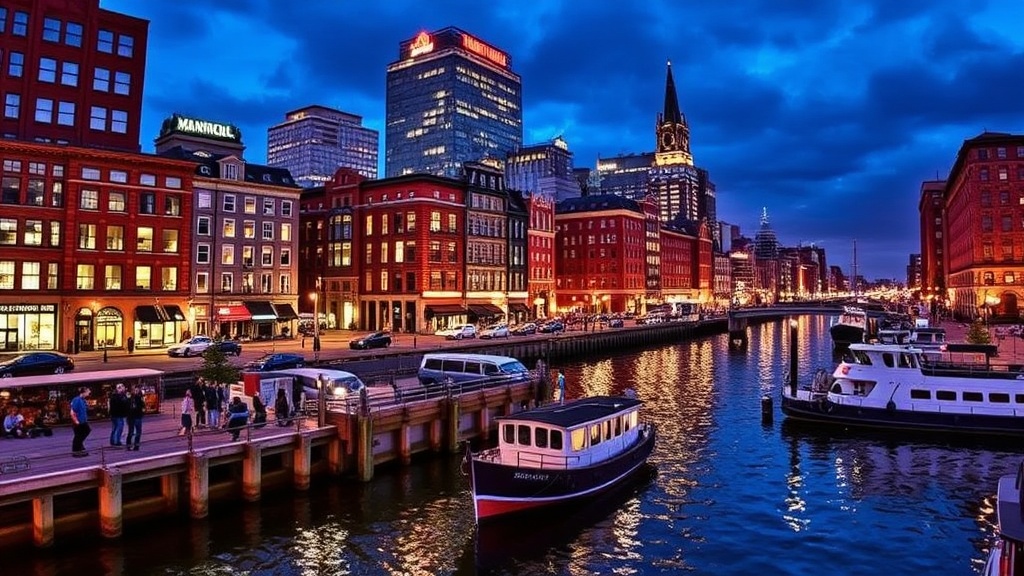
Old Port Montreal Guide: What to See, Eat, and Do Like a Local

If you’ve only seen Old Port Montreal as a quick stop for photos, you’re missing the point. This part of the city rewards people who slow down, wander without a strict plan, and notice the details—cobblestone textures, quiet alleys, river light at sunset, and the way locals actually use the space.
This is not a checklist. It’s a grounded, insider-style guide to experiencing Old Port Montreal properly—what matters, what’s overrated, and how to move through it like someone who lives nearby.
Start Early: Old Port Before the Crowds
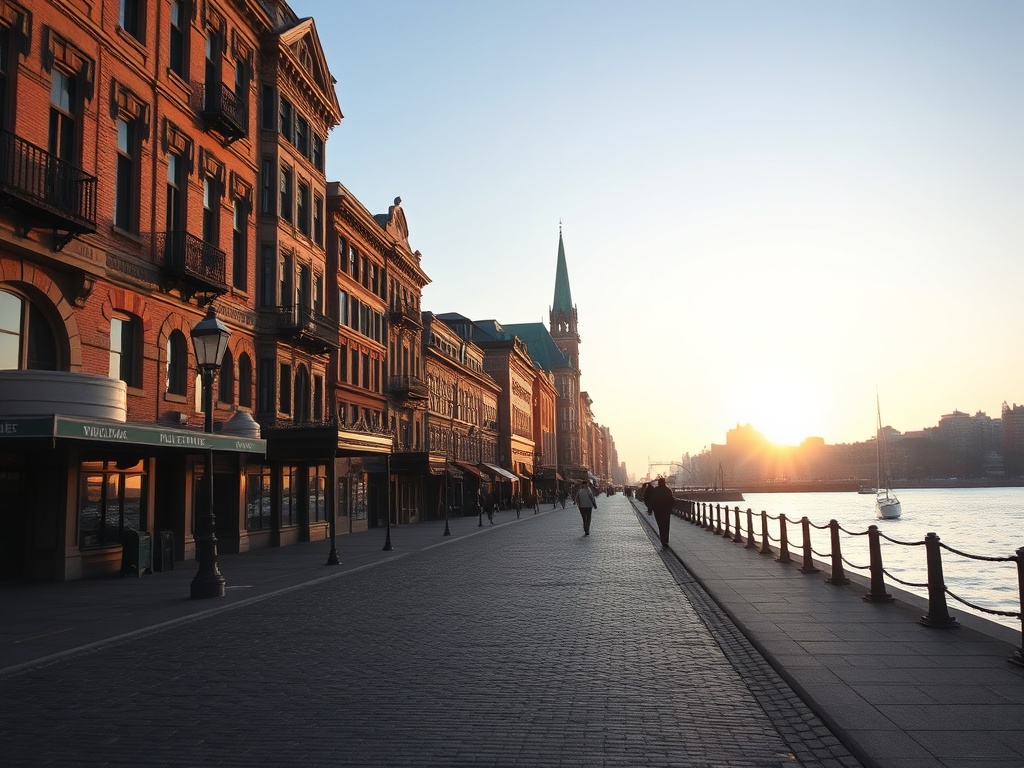
If you want to understand the Old Port, wake up early. Before 9 AM, the entire area feels different—quieter, more local, almost reflective.
Walk along the river promenade with a coffee in hand. You’ll see joggers, cyclists, and the occasional photographer setting up. This is when the architecture stands out—no crowds, no distractions.
- Best move: Start near Clock Tower Beach and walk west
- Skip: Breakfast spots right on the main strip (they’re overpriced and rushed)
- Do instead: Grab coffee from a side street café before heading down
The Core Walk: How to Actually Explore the Area
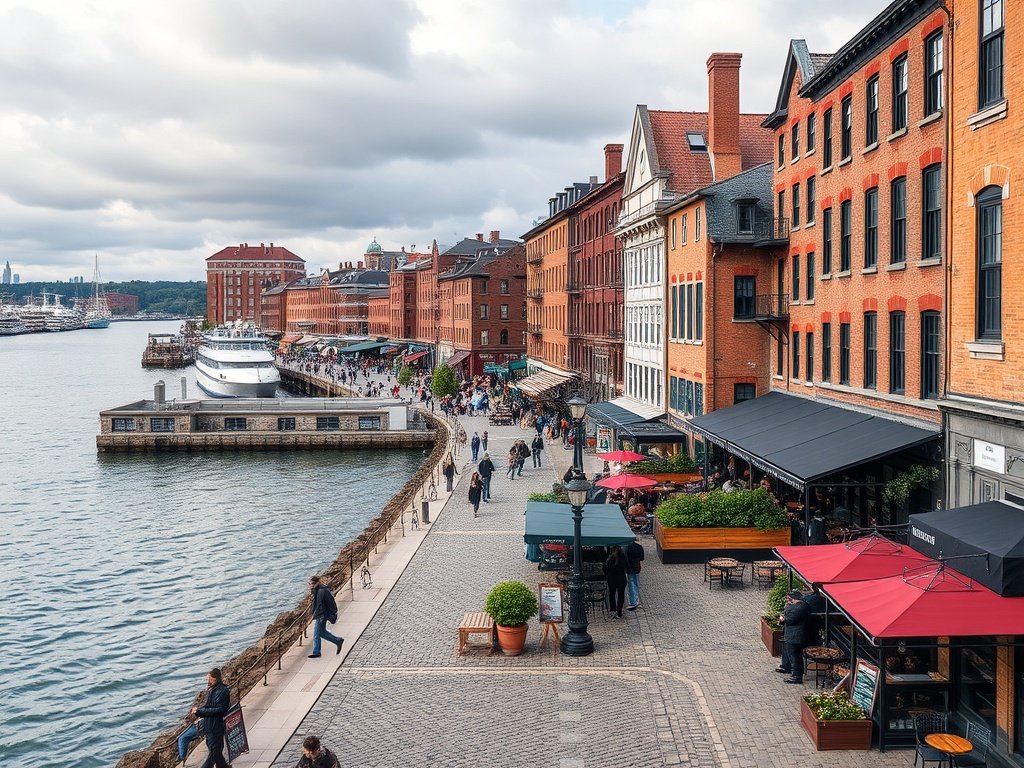
There’s a natural loop that works better than wandering randomly. Start near the river, head into the old streets, then circle back.
Walk this flow:
- Riverfront promenade
- Rue de la Commune
- Cut into Rue Saint-Paul
- Drift through smaller side streets
Rue Saint-Paul is where most people linger, but the real charm is one street off—quieter galleries, better shops, and fewer souvenir traps.
Opinion: If every storefront looks like it sells maple syrup gift boxes, you’ve gone too far into tourist territory.
Where to Eat Without Regret
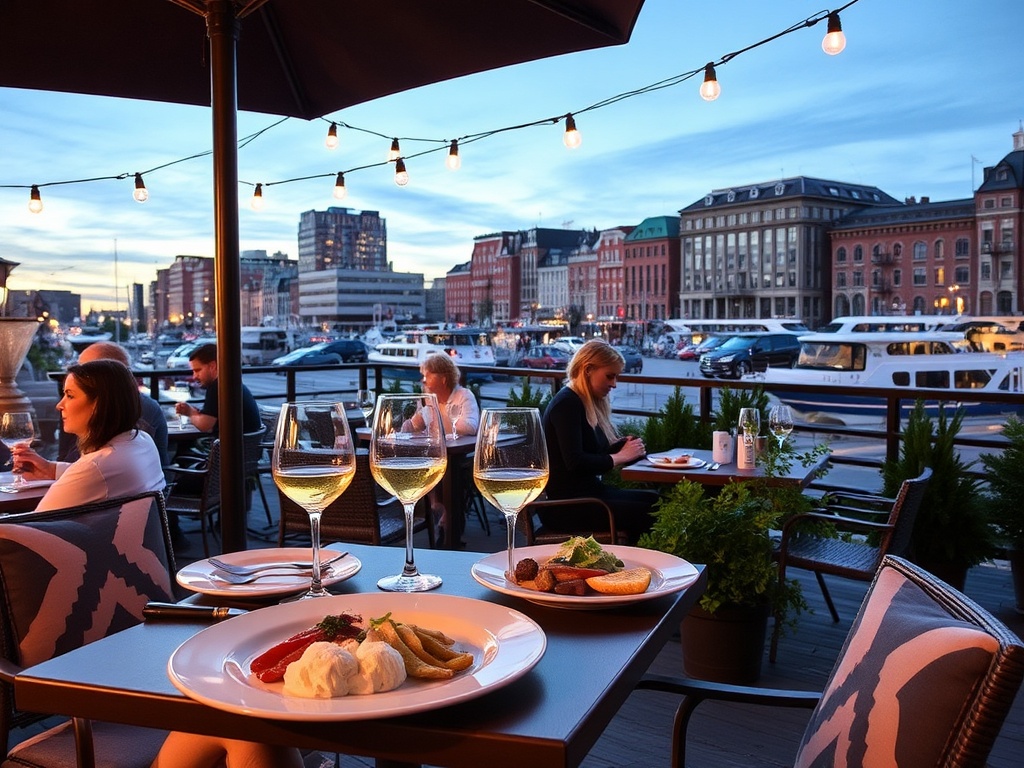
Food in Old Port can be hit or miss. The rule is simple: the better the view, the more cautious you should be.
Look for places where locals actually sit for more than one drink.
- Lunch: Go casual—sandwiches, light plates, something quick
- Dinner: Book ahead or arrive early (especially in summer)
- Avoid: Restaurants with aggressive hosts pulling you in
Old Port isn’t where you find Montreal’s absolute best food—but it’s where you can have a great meal if you choose carefully.
Afternoon: What’s Worth Your Time
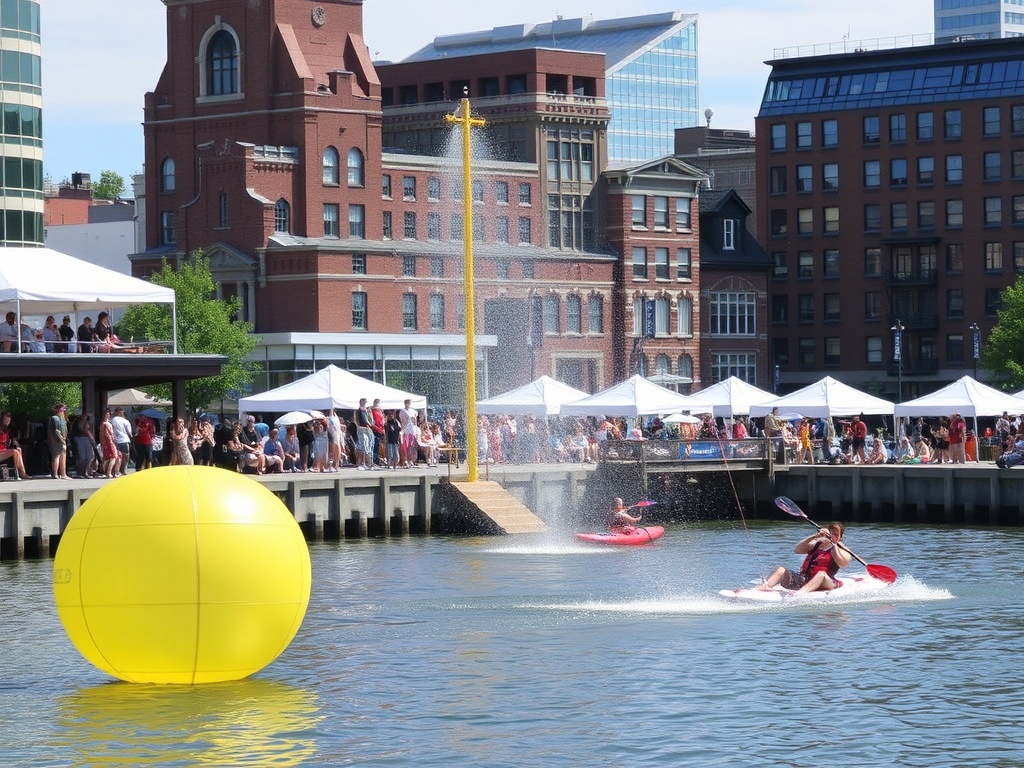
By midday, the energy shifts. This is when activities matter.
You’ve got options:
- Rent bikes and follow the Lachine Canal
- Try the zipline (touristy, but surprisingly fun)
- Visit small galleries tucked into old buildings
- Watch street performers along the promenade
Reality check: Not everything needs a ticket. Some of the best moments here are just sitting near the water and people-watching.
Sunset Strategy: Where Locals Actually Go

Sunset is when Old Port delivers. But you need positioning.
Skip the most crowded viewing points and move slightly away from the center. Look for quieter stretches along the water where you can sit uninterrupted.
- Best vibe: Low-key, less crowded river edges
- Bring: A drink, a jacket, and time
- Stay: Until the light fully fades—the afterglow is better than the peak
Night: Stay or Leave?
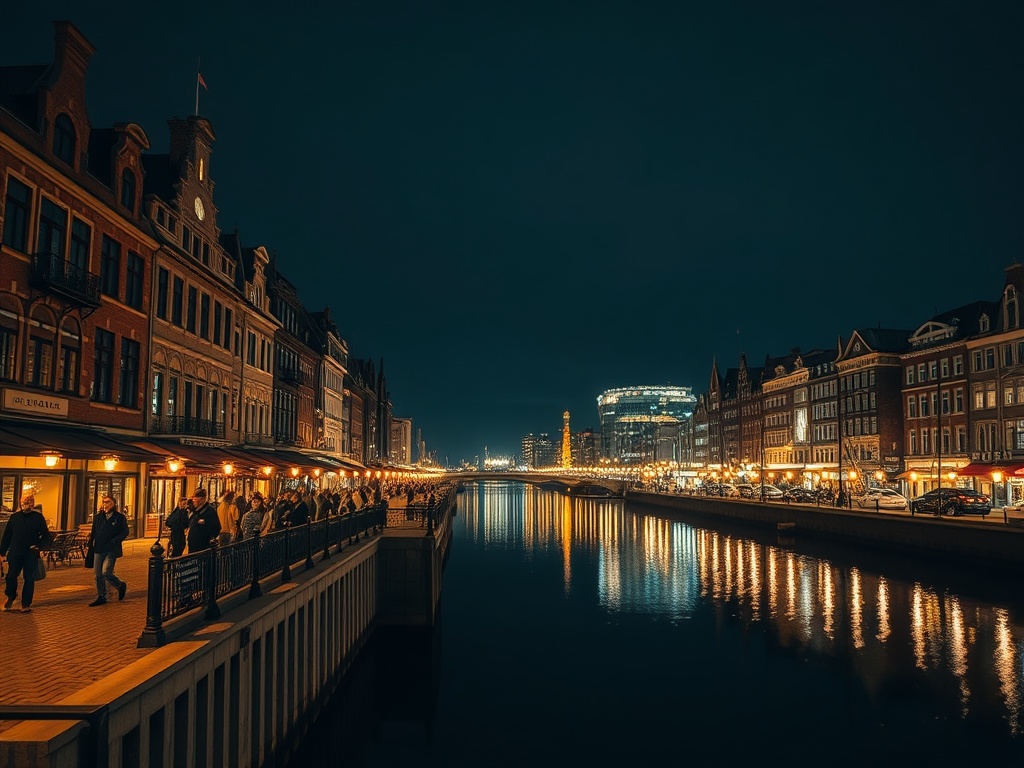
At night, Old Port splits into two experiences: lively terraces or calm, almost cinematic quiet.
If you want energy, stick near busier restaurant areas. If you want atmosphere, walk again—same streets, totally different feeling.
Local take: Some of the best moments happen after 10 PM when most visitors leave.
Seasonal Differences You Should Actually Care About
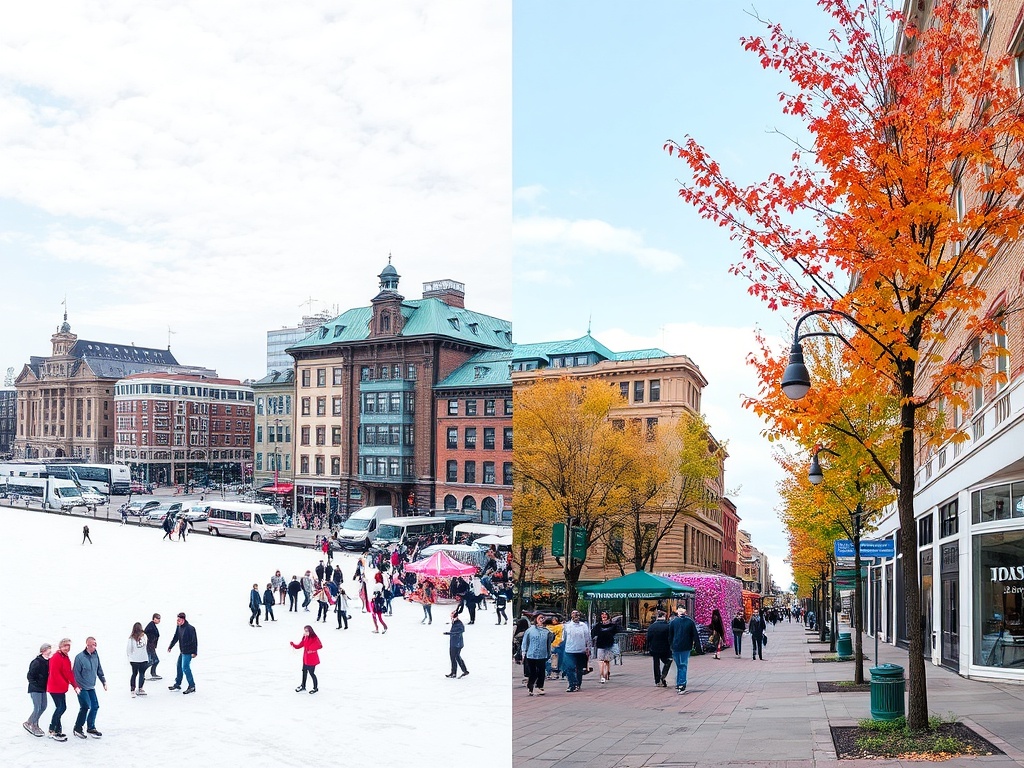
Old Port changes dramatically with the seasons. Timing matters more than most guides admit.
- Summer: Lively, crowded, full of events
- Fall: Best balance—color, fewer people, comfortable weather
- Winter: Quiet, scenic, underrated (especially after snowfall)
- Spring: Transitional, less predictable but peaceful
If you want the best overall experience, aim for early fall or late spring mornings.
Common Mistakes to Avoid
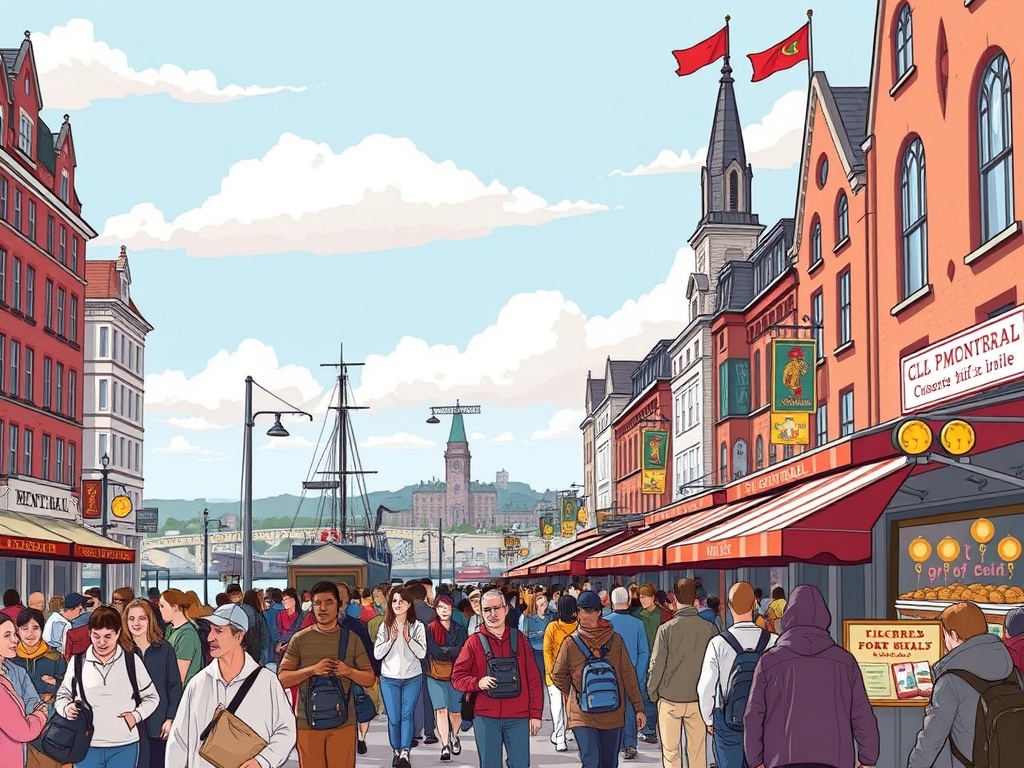
- Only visiting midday when it’s busiest
- Eating at the first place with a terrace view
- Staying only on the main streets
- Treating it like a quick stop instead of a half-day experience
The Old Port rewards patience. Rush it, and it feels generic. Slow down, and it becomes one of the most atmospheric parts of Montreal.
How to Plan Your Day (Simple Version)
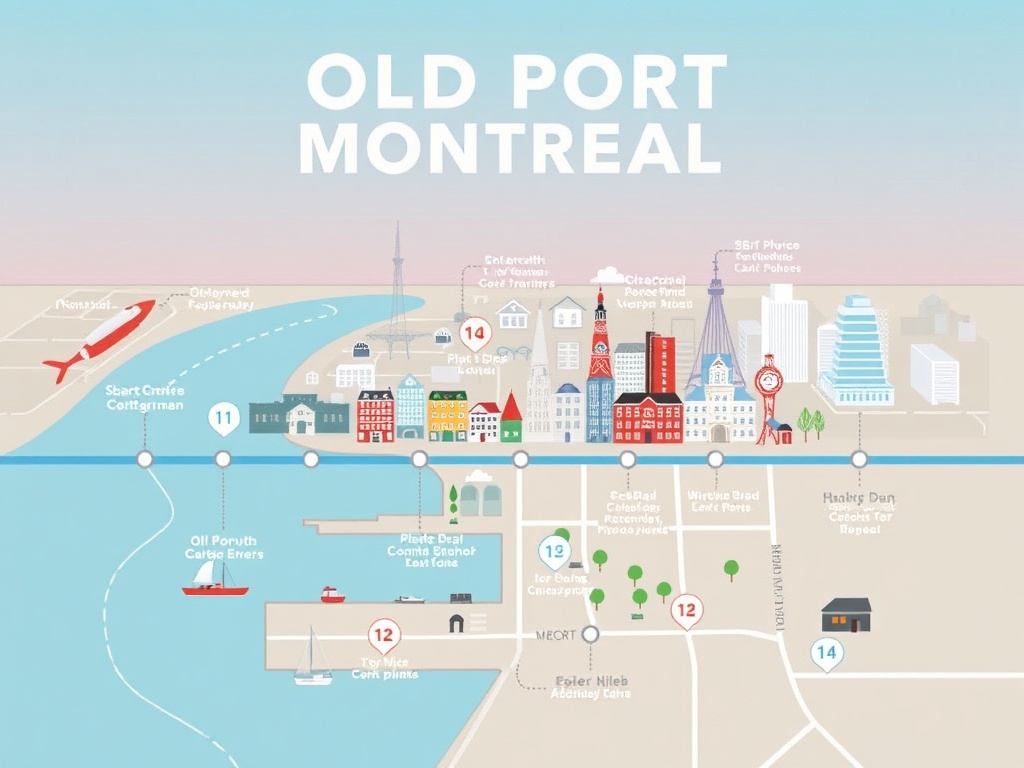
If you want a straightforward plan:
- Morning: Coffee + quiet river walk
- Midday: Explore streets + light lunch
- Afternoon: Activity or relaxed wandering
- Evening: Dinner + sunset by the water
- Night: Optional second walk or drinks
This structure keeps things flexible while still hitting the best moments.
Final Thought: Don’t Treat It Like a Tourist Zone
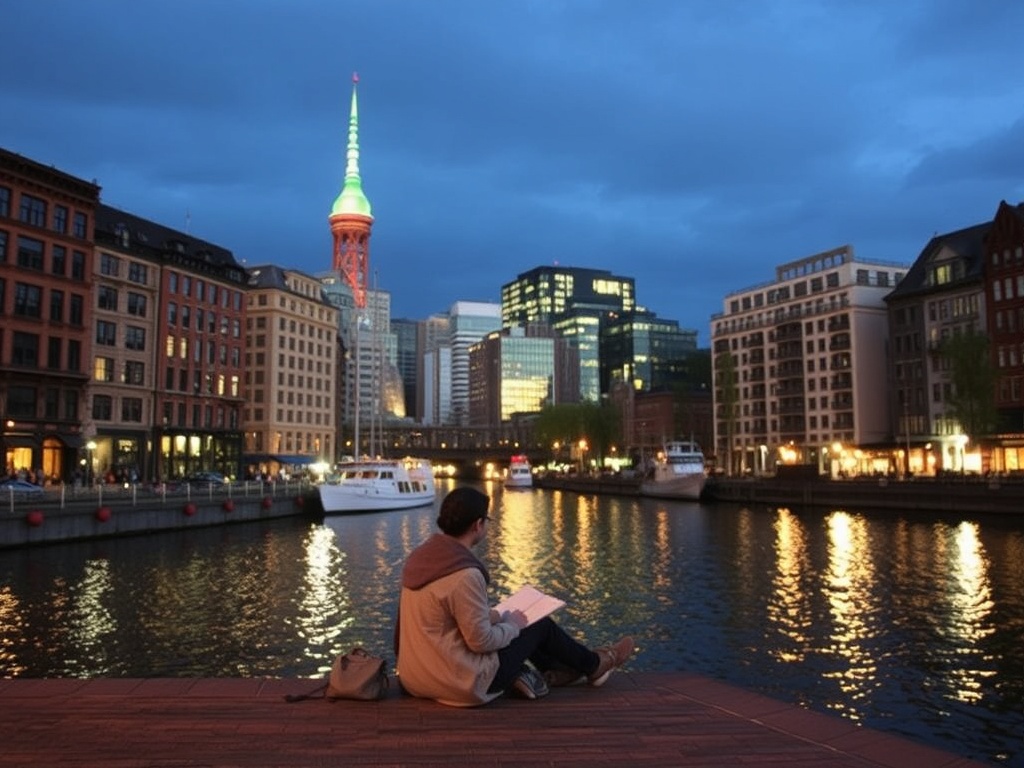
The biggest shift is mindset. Old Port Montreal isn’t just a place to check off—it’s a place to experience slowly.
Ignore the pressure to “see everything.” Instead, notice a few things deeply: the sound of the river, the changing light, the rhythm of people moving through the space.
That’s where it becomes memorable.