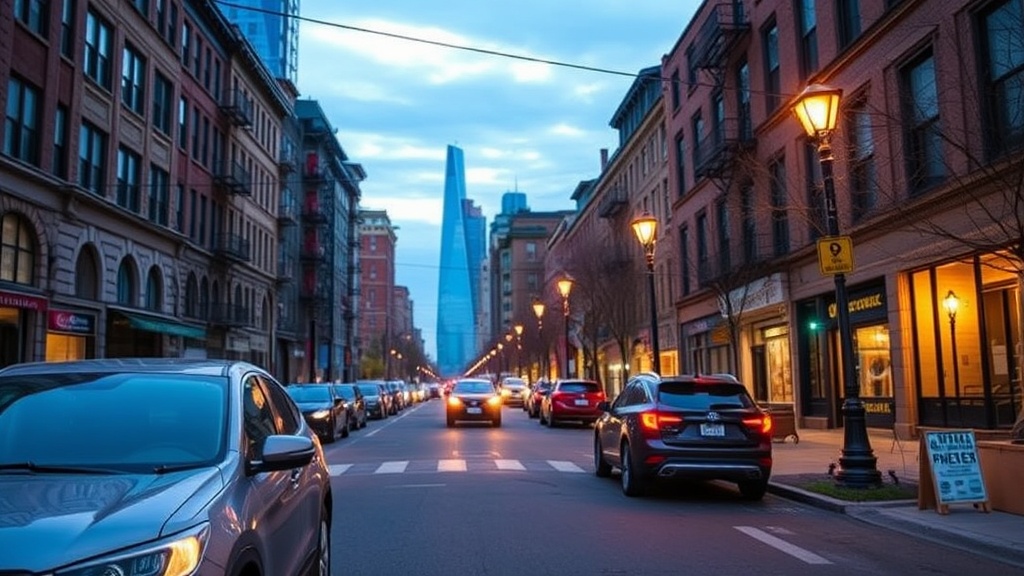
Managing Your Residential Parking and Street Access in Old Port Montreal

This guide explains how to handle residential parking permits, temporary street closures, and loading zone rules within the Old Port Montreal district. We'll cover the specific nuances of our local parking regulations so you can avoid unnecessary fines and keep your daily routine smooth.
Living in Old Port Montreal brings a certain charm, but it also brings the headache of narrow streets and strict municipal enforcement. Between the seasonal street festivals and the constant movement of delivery vehicles, knowing exactly where you can leave your car is a full-time job for many of us. We've noticed that many new residents struggle with the transition from standard parking to our highly regulated zones. Whether you are living near the waterfront or closer to the historic architecture of the interior streets, the rules change depending on the exact block you occupy.
How do I get a residential parking permit in Old Port Montreal?
Securing a residential parking permit is the first step to making life in Old Port Montreal manageable. The City of Montreal manages these through specific zones, and since our neighborhood is a high-traffic area, the availability of spots can be quite competitive. You'll typically need to prove your residency through a lease or utility bill that shows your address in the Old Port Montreal district. Most of the permits are tied to your vehicle's license plate, so make sure your registration is current before you apply. You can often manage these applications through the official Montreal parking website, but be prepared for the paperwork to take a few weeks to process. We've found that checking the status of your application via the city's portal is the only way to stay updated on your status.
It's also important to note that certain streets in Old Port Montreal have different rules depending on the time of day. For example, some streets that allow residential parking during the evening might transition to strictly commercial loading zones during business hours. If you don't keep a close eye on the signage, you might find a ticket on your windshield before you've even finished your morning coffee. We suggest walking your specific block once a week to check for any new signs or changes in the local regulations.
Where can I find temporary loading zones for deliveries?
If you're expecting a large delivery or a moving truck, you can't just pull up anywhere in Old Port Montreal. The city is very strict about keeping the narrow streets clear for through-traffic. If you're expecting a furniture delivery, for instance, you might need to request a temporary occupation of the public domain. This is a formal process, but it's much better than having your delivery driver blocked by a non-existent loading zone. You can find the specific forms and requirements on the city's permit page.
A common mistake we see in our community is assuming that a vacant space near a corner is a loading zone. In Old Port Montreal, many of these spots are reserved specifically for local businesses or are subject to strict time limits. If you're expecting a heavy shipment, it's often worth calling the local station or checking the municipal map to see if there are designated areas for larger vehicles. This prevents the stress of a delivery person being unable to reach your door because the street is blocked by a parked vehicle.
What are the rules for street closures during community events?
Our community loves its local events, but they often mean our streets look a bit different for a weekend. When a local organization or the city organizes an event, certain blocks in Old Port Montreal might be closed to vehicle traffic entirely. This is quite common during the busier seasons. We recommend keeping an eye on the local community boards or the official city alerts to see if your street is affected. Knowing the schedule ahead of time means you won't get stuck in a dead end or, worse, find yourself unable to get home for the night.
When a street is closed, there is usually a detour plan in place, but these can be tricky to follow if you aren't familiar with the side streets. If you live on a street that is slated for a closure, make sure you have a plan for your car. Sometimes, the city allows residents to access their driveways or specific parking spots, but this is strictly regulated. We always suggest checking the signage at the entrance of your block to see if any special access rules apply during the event period.
Being a resident in such a historic area means we have to be proactive about our civic duties. Whether it's renewing a permit or adjusting to a new traffic pattern, staying informed keeps our neighborhood running smoothly. We've put together this guide to help you handle the complexities of living in one of the most beautiful, yet strictly regulated, parts of the city.